EN
EN
 FR
FR
 DE
DE
 IT
IT
 JA
JA
 KO
KO
 RU
RU
 ES
ES
 AR
AR
 BG
BG
 HR
HR
 DA
DA
 NL
NL
 FI
FI
 EL
EL
 NO
NO
 PL
PL
 PT
PT
 RO
RO
 SV
SV
 TL
TL
 ID
ID
 SR
SR
 UK
UK
 VI
VI
 SQ
SQ
 TH
TH
 TR
TR
 AF
AF
 MS
MS
 CY
CY
 IS
IS
 HY
HY
 AZ
AZ
 KA
KA
 MN
MN
 MY
MY
 KK
KK
 UZ
UZ
 CS
CS

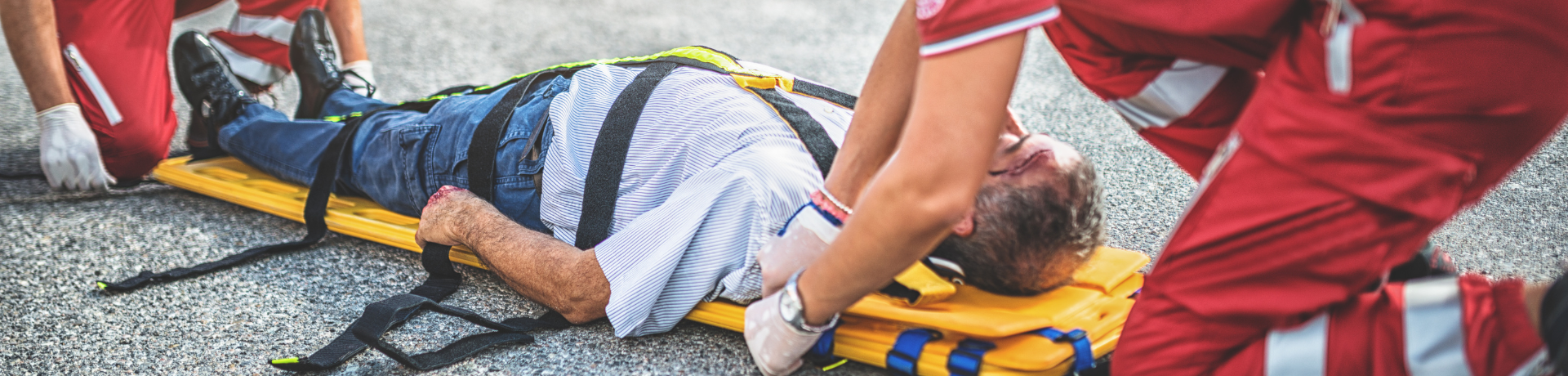
Bag Valve Mask (BVM): The Complete Professional Guide to Manual Resuscitation and Emergency Ventilation
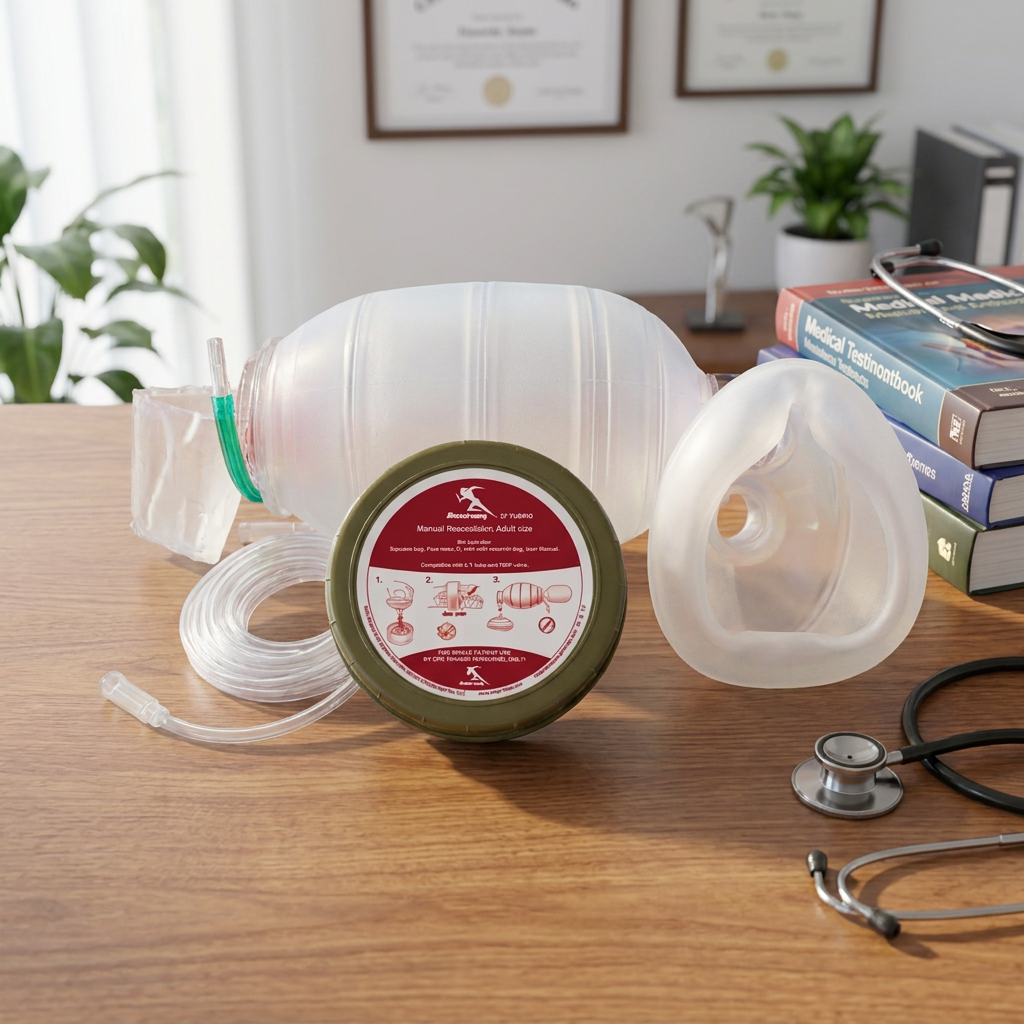
[Hebei, China], [09.24.2026] — A bag valve mask (BVM) is a portable, self-inflating manual ventilation device that allows a trained responder to deliver positive-pressure breaths to a patient whose spontaneous breathing is inadequate or absent. One bag valve mask unit combines three components: a self-inflating bag, a one-way non-rebreathing valve, and a face mask. Because a bag valve mask needs no compressed gas source, it performs in an ambulance, an intensive care unit, an operating theatre, a dental surgery, a disaster field tent, or a rural clinic without pipeline oxygen. This professional guide to the bag valve mask explains how the device works, what a bag valve mask must deliver in terms of oxygen concentration and tidal volume, its materials and specifications, the six-step bag valve mask technique, adult, pediatric and infant settings, PEEP options, sterilization and quality standards, and the handling errors that make a bag valve mask fail mid-resuscitation. Medresq manufactures bag valve mask systems in adult, pediatric and infant sizes and supplies emergency, anesthesia and critical-care customers worldwide.
1. What is a bag valve mask? A direct answer
A bag valve mask is a hand-operated resuscitator. The operator seals the mask over the patient's mouth and nose and then squeezes the bag; air passes through the one-way valve and the mask into the lungs. When the operator releases the bag, the valve closes and the patient's exhaled gas leaves through the expiratory port instead of returning into the bag. That single design decision — a one-way valve inside a self-inflating bag valve mask — is what separates a modern bag valve mask from older demand-valve resuscitators and from mouth-to-mouth or mouth-to-mask ventilation. A correctly sized bag valve mask therefore delivers ventilation without the responder's mouth ever contacting the patient, and without any dependence on a pipeline, a cylinder, or electrical power.
The three functional blocks of a bag valve mask are worth separating, because each one fails differently. The self-inflating bag of a bag valve mask refills on its own after each squeeze, so ventilation continues even when the oxygen supply is exhausted. The valve stack of a bag valve mask is a one-way, non-rebreathing assembly that directs fresh gas to the patient and exhausts exhaled gas to atmosphere. The mask of a bag valve mask is the only patient-contact interface, which is why mask fit — not bag volume — is the most common reason a bag valve mask under-ventilates in practice.
2. Core functions of a bag valve mask
Positive-pressure ventilation. When the operator squeezes the bag of the bag valve mask, gas travels through the one-way valve and the mask into the patient's lungs to support oxygen exchange. Every squeeze of a bag valve mask is a controlled breath: about one second of inspiratory time, followed by a passive exhalation.
Prevention of rebreathing. The built-in one-way valve of the bag valve mask prevents exhaled gas from flowing back into the bag, which lowers the risk of carbon dioxide rebreathing. This is the primary reason a bag valve mask can be used for prolonged ventilation during transport rather than only for a few rescue breaths.
High-concentration oxygen delivery. Connected to an oxygen source and a reservoir bag, a bag valve mask can deliver a high fraction of inspired oxygen (FiO₂ of approximately 90%–100%). With the reservoir removed and no oxygen attached, the same bag valve mask still ventilates with room air — a decisive advantage in pre-hospital and field conditions.
Optional PEEP. Selected models of the bag valve mask accept a PEEP valve that maintains positive end-expiratory pressure and improves oxygenation in patients who need it. Fitting a PEEP valve to a bag valve mask turns a basic resuscitator into a device suitable for longer ventilation periods.
Single-hand operation. A bag valve mask is designed so that one hand can squeeze the bag while the other maintains the mask seal, which allows a two-person technique to be used when a second responder is available.
3. How the one-way valve inside a bag valve mask prevents rebreathing
The valve stack is the technical heart of any bag valve mask. During inspiration, the bag of the bag valve mask compresses and the patient-side disc of the valve opens; during expiration, that disc closes and gas leaves the bag valve mask through a separate expiratory port. Because the two directions never share the same path, a properly functioning bag valve mask has a negligible rebreathing fraction, and the dead space of the bag valve mask stays confined to the mask and the connector rather than extending into the 1,500 mL bag.
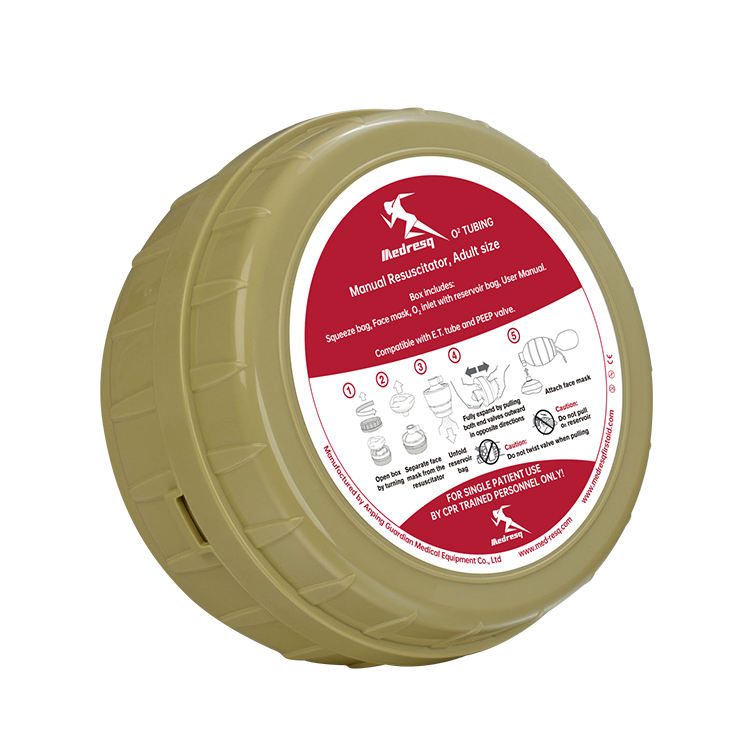
Every bag valve mask in the Medresq range uses standard 15/22 mm conical connectors, so a bag valve mask can be coupled to a supraglottic airway, an endotracheal tube, or a tracheostomy tube without an adapter. Clinicians who switch a bag valve mask between a face mask and an advanced airway mid-case therefore do not have to re-verify the circuit, which shortens the interruption in ventilation. The valve housing of the bag valve mask is moulded in polycarbonate or silicone, both of which tolerate repeated disinfection without deforming the sealing surfaces that keep the bag valve mask leak-free.
4. Oxygen delivery: reservoir bag, FiO₂ and the bag valve mask
Oxygen concentration is where the specification of a bag valve mask is most often misunderstood. A bag valve mask used with no oxygen and no reservoir ventilates with approximately 21% oxygen. Adding an oxygen flow of 10–15 L/min to a bag valve mask fitted with a 1,600 mL or 2,600 mL reservoir bag raises the delivered concentration to roughly 90%–100%, provided the reservoir of the bag valve mask stays inflated during inspiration. If the oxygen flow is too low, the reservoir of the bag valve mask collapses with each squeeze, and the effective FiO₂ of the bag valve mask falls sharply.
A practical rule for anyone operating a bag valve mask: watch the reservoir, not the flowmeter. As long as the reservoir bag of the bag valve mask remains at least two-thirds inflated between breaths, the bag valve mask is delivering close to its rated oxygen concentration. Where oxygen is scarce — a mass-casualty scene or a rural clinic — the same bag valve mask remains fully functional as a room-air resuscitator, and oxygen can be reserved for patients with the greatest need.
5. Materials and specifications of the bag valve mask
|
Item |
Specification |
|
Type of bag valve mask |
Adult, pediatric and infant configurations |
|
Bag volume of the bag valve mask |
Adult approx. 1,500 mL; pediatric approx. 500 mL; infant approx. 250 mL |
|
Tidal volume delivered by the bag valve mask |
Adult approx. 500–600 mL; pediatric approx. 250–300 mL; infant approx. 100–150 mL (adjust to body weight and clinical condition) |
|
Valve of the bag valve mask |
One-way non-rebreathing valve with standard 15/22 mm connectors |
|
Oxygen reservoir of the bag valve mask |
Approx. 1,600 mL or 2,600 mL |
|
Pressure relief valve on the bag valve mask |
Adult approx. 40 cmH₂O; pediatric approx. 30–40 cmH₂O; some bag valve mask models are adjustable or closable |
|
Main materials of the bag valve mask |
Silicone or SEBS bag, silicone or PVC mask, PC or silicone valve body |
|
Sterilization of the bag valve mask |
Ethylene oxide (EO) sterilization; single-use and reusable autoclavable versions |
|
Operating temperature of the bag valve mask |
−18 °C to +50 °C |
|
Ventilation rate with the bag valve mask |
Adult approx. 10–12 breaths/min; pediatric and infant approx. 12–20 breaths/min |
Sizing a bag valve mask is not a matter of choosing the largest available bag. A 1,500 mL bag valve mask in the hands of an experienced operator can easily over-ventilate a small adult, and an infant receiving an adult bag valve mask is exposed to a real risk of gastric insufflation. The clinical rule is that the tidal volume delivered by the bag valve mask should approximate 6–7 mL/kg, and that the bag of the bag valve mask should be sized so that a single comfortable hand squeeze produces that volume rather than the full bag volume.
6. How to use a bag valve mask: the six-step technique
Step 1 — Check the bag valve mask before it is needed. Confirm that the bag, valve, mask and reservoir of the bag valve mask are intact, that the valve disc seats properly, and that the bag valve mask refills immediately after compression. Connect oxygen to the bag valve mask if a source is available.
Step 2 — Open the airway. Use a head-tilt/chin-lift or a jaw-thrust maneuver to open the airway and clear foreign material from the mouth before the bag valve mask is applied.
Step 3 — Position the mask of the bag valve mask. Place the mask over the patient's mouth and nose. Use the E-C clamp technique or a two-handed jaw-thrust technique so that the bag valve mask forms a tight seal and leakage does not defeat the ventilation.
Step 4 — Squeeze the bag of the bag valve mask. Compress the bag evenly with one hand, delivering each breath over approximately one second, and observe the chest for visible rise. The chest rise — not the force applied — is the endpoint that tells the operator the bag valve mask is working.
Step 5 — Release the bag of the bag valve mask. Release the bag so that it refills automatically, and allow the patient to exhale completely before the next squeeze of the bag valve mask.
Step 6 — Control the rate of the bag valve mask. Ventilate an adult at approximately 10–12 breaths per minute and a child or infant at 12–20 breaths per minute with the bag valve mask. Avoid hyperventilation, which raises intrathoracic pressure and reduces venous return during CPR.
7. PEEP and pressure-limiting valves on the bag valve mask
Two accessories change how a bag valve mask behaves at the bedside. First, a pressure relief valve protects the patient: ISO 10651-4, the international standard for user-powered resuscitators, recommends that a resuscitator be equipped with a mechanism that prevents airway pressure from exceeding roughly 45–60 cmH₂O. A bag valve mask intended for pediatric use usually sets that limit lower, around 30–40 cmH₂O, and some bag valve mask models allow the limit to be closed deliberately when a stiff lung requires higher inflation pressure. Second, a PEEP valve fitted to the expiratory port of the bag valve mask maintains positive end-expiratory pressure and improves oxygenation; it is the accessory that most often turns a transport bag valve mask into a device suitable for prolonged ventilation.
For procurement teams, the practical question is whether the bag valve mask is being specified for resuscitation only or for extended ventilation. A resuscitation-only bag valve mask can be ordered with a fixed pressure relief valve, while a bag valve mask destined for critical care or transport should be ordered with an adjustable relief valve and a PEEP port so that the same bag valve mask covers both use cases.
8. Single-use or reusable bag valve mask?
The choice between a single-use bag valve mask and a reusable bag valve mask is usually driven by infection-control policy and by case volume, not by price alone. A single-use bag valve mask arrives EO-sterilized, is discarded after one patient, and eliminates the possibility that a contaminated valve or bag of the bag valve mask re-enters circulation. A reusable bag valve mask is built from autoclavable silicone and can be disassembled, cleaned, disinfected or sterilized according to protocol, which lowers the per-case cost in high-volume emergency departments and anesthesia departments.
Whichever version is selected, the cleaning protocol for a reusable bag valve mask must include the valve stack, because residual moisture or detergent inside the valve of a bag valve mask produces sticking and unreliable cycling. Many hospitals therefore run a functional check on every reusable bag valve mask after reprocessing: occlusion test, refill test, and a visual inspection of the mask and reservoir of the bag valve mask before the device is returned to the emergency cart.
9. Common mistakes that compromise a bag valve mask
- A leaking mask seal. This is the most frequent cause of inadequate ventilation with a bag valve mask. Poor technique, an incorrectly sized mask, or a patient with a beard or absent dentition can each defeat an otherwise reliable bag valve mask.
- Squeezing too fast or too hard. Rapid compression of a bag valve mask causes gastric insufflation, regurgitation and aspiration, and raises the risk of barotrauma. The bag valve mask should be squeezed to visible chest rise, not to the limit of the bag.
- Ignoring the reservoir of the bag valve mask. A collapsed reservoir means a falling FiO₂ even though the oxygen flowmeter has not changed.
- No continuous monitoring. During ventilation with a bag valve mask the operator must watch chest rise, SpO₂ and, where available, EtCO₂; these parameters detect a failing bag valve mask before desaturation occurs.
- Using a bag valve mask as a substitute for advanced airway management. A bag valve mask is a bridging device; when it cannot maintain oxygenation or ventilation, an artificial airway should be established promptly.
10. Quality standards and sterilization of the bag valve mask
A bag valve mask used in clinical care should be manufactured under a documented quality management system, and its performance should be verified against the international standard for user-powered resuscitators, ISO 10651-4 — a standard recognised by regulators including the US FDA. In practice, a compliant bag valve mask of the type described here is validated for bag volumes, valve leakage, delivered tidal volume, inspiratory resistance, expiratory resistance and pressure-limiting behaviour, and the bag valve mask is sterilized by ethylene oxide before release. Operating temperature for the bag valve mask is specified from −18 °C to +50 °C, a range that covers cold-chain transport, unheated ambulances and tropical field use.
Medresq manufactures the bag valve mask under a controlled process that includes in-line leakage testing of every valve stack, dimensional checks of the 15/22 mm connectors on each bag valve mask, and a functional refill test on each finished bag valve mask before sterilization. Buyers evaluating a bag valve mask supplier should request the technical file, the sterilization validation and a sample bag valve mask for third-party testing before committing to a tender quantity.
11. Frequently asked questions about the bag valve mask
What does BVM mean in a bag valve mask? BVM stands for bag, valve and mask — the three components of the bag valve mask: a self-inflating bag, a one-way non-rebreathing valve and a face mask.
Is a bag valve mask the same as an Ambu bag? The term Ambu bag is a widely used synonym for a bag valve mask. Strictly, Ambu is a brand name, whereas bag valve mask describes the generic device category.
What tidal volume should a bag valve mask deliver? Approximately 500–600 mL for an adult, 250–300 mL for a child and 100–150 mL for an infant, adjusted to body weight. The bag valve mask should be squeezed to visible chest rise.
How often should the bag valve mask be squeezed during CPR? Roughly 10–12 times per minute for an adult and 12–20 times per minute for a child or infant. Over-ventilation with a bag valve mask is a common and avoidable error.
Can a bag valve mask be used without oxygen? Yes. A bag valve mask is self-inflating and delivers room-air ventilation at approximately 21% oxygen without any oxygen source.
How much oxygen does a bag valve mask deliver when connected to oxygen? A bag valve mask with an inflated 1,600 mL or 2,600 mL reservoir and an oxygen flow of 10–15 L/min delivers approximately 90%–100% FiO₂.
Can a PEEP valve be added to a bag valve mask? Yes. Selected bag valve mask models accept a PEEP valve on the expiratory port, which supports positive end-expiratory pressure and improves oxygenation.
Is a bag valve mask single-use or reusable? Both versions exist. A single-use bag valve mask is EO-sterilized and discarded after one patient; a reusable bag valve mask is autoclavable and must be disassembled, cleaned and sterilized between patients.
12. Sourcing and OEM manufacturing of the bag valve mask
Emergency medical services, hospital groups and distributors typically purchase the bag valve mask in three configurations: a basic adult bag valve mask with mask and reservoir, a pediatric and infant bag valve mask set, and a complete bag valve mask kit that adds a PEEP valve, an oxygen tubing and a carrying case. Because the mechanical tolerance of the valve determines the reliability of the bag valve mask, buyers should compare suppliers on valve reproducibility rather than on bag volume alone, and should ask for a batch sample of the bag valve mask for leak and refill testing.
Medresq supplies the bag valve mask in adult, pediatric and infant sizes in both single-use and reusable versions, supports OEM and ODM programmes for the bag valve mask (custom bag colours, custom mask sizes, private-label packaging and custom kit configurations), and provides the technical documentation, sterilization certification and sample bag valve mask required for tender qualification. Distributors and emergency-care organizations evaluating a bag valve mask programme are invited to request a quotation and a functional sample bag valve mask from the contact details below.
About Medresq — Medresq, based in [Hebei, China], develops and manufactures respiratory and emergency-care devices including the bag valve mask described in this guide. For bag valve mask specifications, minimum order quantities, samples or OEM discussions, contact [Claire Zhao] at [[email protected] ].
Hot News
-
Bag Valve Mask (BVM): The Complete Professional Guide to Manual Resuscitation and Emergency Ventilation
2026-09-24
-
Releases a Medical-Grade Chest Seal: A Vented Chest Seal Engineered to Seal Open Pneumothorax and Prevent Tension Pneumothorax
2026-09-24
-
Why Your Rescue Team Needs a Carbon Fiber Scoop Stretcher
2026-06-05
-
How to Choose a Reliable Vented Chest Seal for Pre-Hospital Trauma Care
2026-06-04
-
Essential Cervical Spine Immobilization for Emergency Care
2026-03-05
-
Medical Oropharyngeal Airway: Essential Airway Management Device for Emergency Care
2026-03-04
-
Beyond the Battlefield: Versatile Applications of Modern Tactical First Aid Kits
2026-01-27
-
Advancements in Medical Structures: Enhancing Emergency Response and Patient Care
2025-06-13
-
The Vital Role of Stretchers in Emergency Medical Care
2025-03-07
-
DEVELOPMENT AND PROSPECT OF BATTLEFIELD INDIVIDUAL FIRST AID KIT
2025-02-20