EN
EN
 FR
FR
 DE
DE
 IT
IT
 JA
JA
 KO
KO
 RU
RU
 ES
ES
 AR
AR
 BG
BG
 HR
HR
 DA
DA
 NL
NL
 FI
FI
 EL
EL
 NO
NO
 PL
PL
 PT
PT
 RO
RO
 SV
SV
 TL
TL
 ID
ID
 SR
SR
 UK
UK
 VI
VI
 SQ
SQ
 TH
TH
 TR
TR
 AF
AF
 MS
MS
 CY
CY
 IS
IS
 HY
HY
 AZ
AZ
 KA
KA
 MN
MN
 MY
MY
 KK
KK
 UZ
UZ
 CS
CS

Why Your Rescue Team Needs a Carbon Fiber Scoop Stretcher
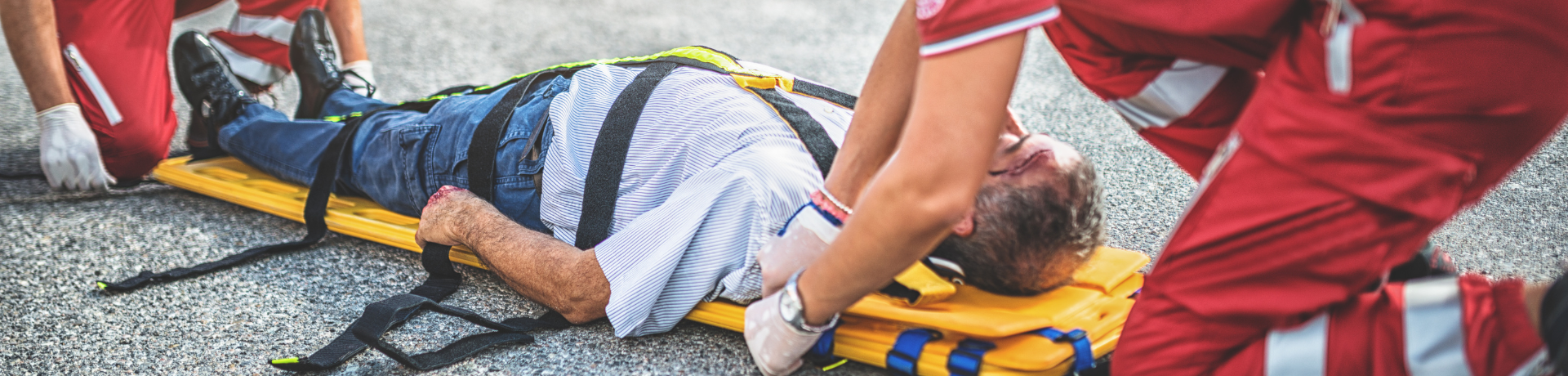
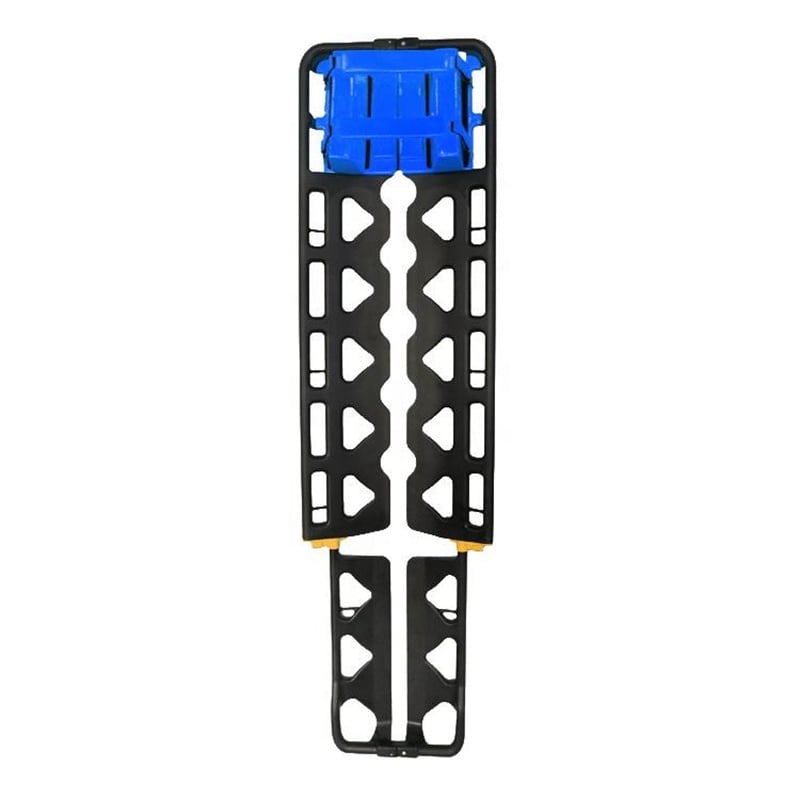
There is an old saying in emergency services: you can have the best trauma care in the world, but if you injure your patient while moving them, you have undone all your good work. Patient extrication and transport are not just about speed; they are about safety, spinal immobilization, and avoiding secondary injuries. That is where a scoop stretcher becomes essential. But not all scoop stretchers are created equal. The material, weight, and design matter enormously. After using aluminum models for years, we recently switched to the Medresq MCSS-02 carbon fiber scoop stretcher. The difference is night and day.
Why Traditional Scoop Stretchers Fall Short
Traditional scoop stretchers are usually made of aluminum or steel. They work, but they come with problems. Steel stretchers are heavy. Trying to slide a 10 or 12 kilogram stretcher under a patient while also managing a cervical collar and a backboard is exhausting for the crew. Aluminum is lighter, but it still typically weighs 6 to 8 kilograms. And both materials have another issue: they block X-rays and CT scans. If your patient needs imaging, you have to transfer them off the stretcher before the scan, which means more lifting and moving.
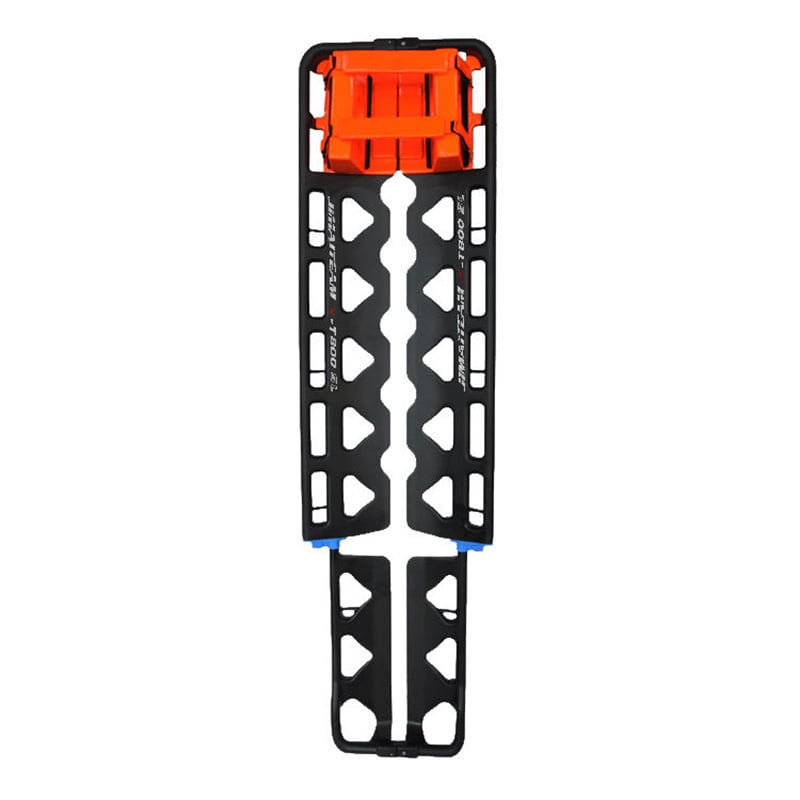
The Medresq MCSS-02 solves both of these problems by using carbon fiber. The entire stretcher weighs only 4 kilograms. That is roughly 8.8 pounds. For comparison, that is lighter than many full backpacks. One responder can easily carry it, and two can position it under a patient with minimal effort. When you are working in a tight space, such as a bathroom, a staircase, or a crashed vehicle, every kilogram you save makes the job easier and safer.
Breaking Down the Design and Specifications
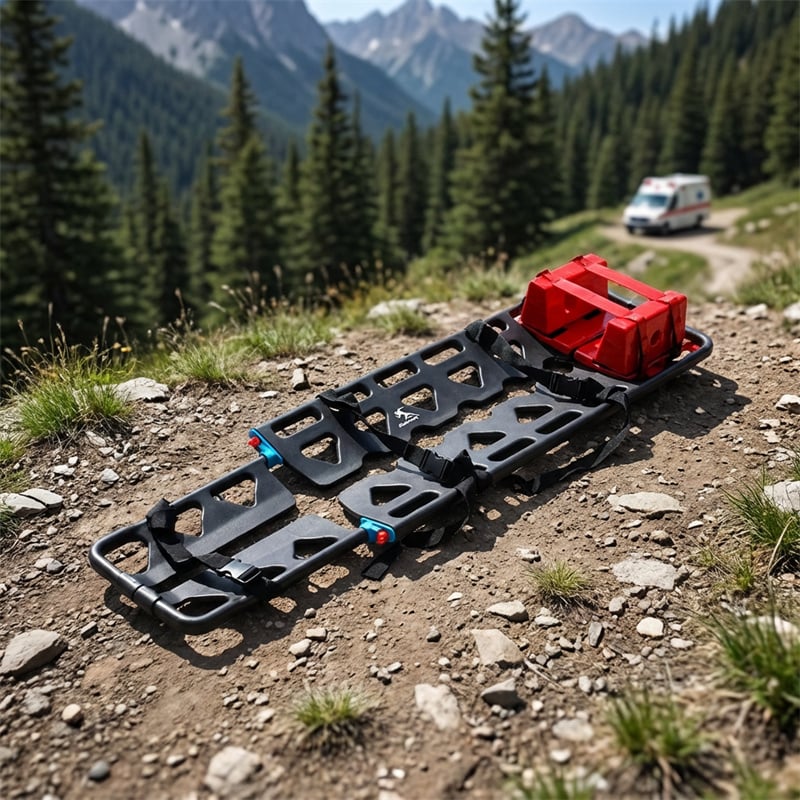
The MCSS-02 is a Class I medical device, which is appropriate for non-invasive patient handling equipment. But do not let the classification fool you. Carbon fiber is incredibly strong. It has a high strength-to-weight ratio, meaning it can handle heavy patients without flexing or breaking. The stretcher splits into two halves that slide together from each side of the patient. You do not need to lift or roll the patient to get the stretcher underneath. This is the core advantage of a scoop design: it is ideal for suspected spinal injuries because it minimizes movement of the spine.
The model number is MCSS-02, but Medresq can also produce variations. The color is black, which is practical for hiding dirt and stains. The packing is carton packing, which protects the stretcher during shipping. The MOQ is only 1 piece. That is unusual for medical equipment. Many manufacturers force you to buy a whole set of 5 or 10. Medresq allows you to order just one for testing or for small teams. And if you represent a large hospital system or a national EMS provider, they accept OEM and ODM orders. You can put your own branding on the stretcher or request design modifications.
Real-World Applications for the MCSS-02
Who actually needs a carbon fiber scoop stretcher? The list is long.
Ambulance services: Replace your old heavy scoop stretchers and reduce back injuries among your staff.
Hospital ERs and radiology departments: Use the MCSS-02 to move patients from a gurney to a CT or X-ray table without lifting. Because carbon fiber is radiolucent, it does not interfere with imaging. You can scan the patient while they are still on the stretcher.
Ski patrol and mountain rescue: Every gram matters when you are carrying gear up a slope. The 4kg weight is a game-changer.
Industrial first aid teams: In factories or construction sites, space is tight. A lightweight, easy-to-store scoop stretcher makes compliance with safety regulations much easier.
Military and tactical medicine: Field medics need equipment that is rugged but portable. The MCSS-02 fits the bill.
I have personally used the MCSS-02 in a training simulation involving a mock patient in a car wreck. The ability to slide the two halves together without moving the patient's spine was smooth. The locking mechanism is secure and intuitive. No fumbling with complicated latches. And when we were done, the stretcher was easy to clean. Carbon fiber does not rust, and it is less prone to damage from cleaning chemicals than aluminum.
Durability and Maintenance
One concern people raise about carbon fiber is whether it is as tough as metal. In my experience, high-quality carbon fiber is extremely durable. The MCSS-02 is not a fragile racing bicycle frame. It is a medical device designed for rugged use. The material resists dents and corrosion. Aluminum stretchers, over time, can develop hairline cracks or corrosion around rivets. Carbon fiber does not have that problem.
Maintenance is simple. Wipe it down after each use. Check the locking mechanisms periodically. That is about it. The warranty period on the MCSS-02 is 3 years. For a device that might be used multiple times per day in a busy EMS system, a 3-year warranty from Medresq gives you confidence that they stand behind their product.
After-Sale Support and Technical Assistance
Another detail that matters but is often overlooked is after-sale service. Medresq offers online technical support. If you have a question about assembly, cleaning, or replacement parts, you can reach them without playing phone tag. This is particularly important for international buyers. If you are ordering from outside China, you need a supplier who can answer questions quickly via email or chat. Medresq has structured their support to be responsive.
Certifications and Compliance
The MCSS-02 comes with CE certification, which is recognized in Europe and many other markets. For buyers who require ISO certification, Medresq can provide documentation as well. The company is based in Hebei, China, and they have experience exporting to multiple countries. If you are concerned about regulatory compliance for your specific region, their customer service team can help you with the documentation you need.
Why Choose Medresq Over Other Brands?
You have options when buying scoop stretchers. There are cheap aluminum models from unknown factories. There are overpriced carbon fiber models from Western brands. Medresq sits in the sweet spot: high-quality carbon fiber at a reasonable price, with the flexibility to order small quantities and customize branding.
The MCSS-02 is not trying to be fancy. It is trying to be effective. It is light enough for one person to handle, strong enough for a heavy patient, and radiolucent so you can leave it under the patient during scans. The 4kg weight is a specific, measurable advantage that your crew will appreciate on every single call.
Final Thoughts
If you are still using old metal scoop stretchers, you are making your team work harder than they need to. The Medresq MCSS-02 carbon fiber scoop stretcher offers a practical upgrade: half the weight of aluminum, no interference with X-rays, and a design that prioritizes patient safety and crew ergonomics.
Order a sample. Try it in one ambulance or one hospital department for a month. Ask your staff what they think. I am confident you will see the value immediately. And once you go carbon fiber, you will never want to go back to heavy metal.
Hot News
-
Bag Valve Mask (BVM): The Complete Professional Guide to Manual Resuscitation and Emergency Ventilation
2026-09-24
-
Releases a Medical-Grade Chest Seal: A Vented Chest Seal Engineered to Seal Open Pneumothorax and Prevent Tension Pneumothorax
2026-09-24
-
Why Your Rescue Team Needs a Carbon Fiber Scoop Stretcher
2026-06-05
-
How to Choose a Reliable Vented Chest Seal for Pre-Hospital Trauma Care
2026-06-04
-
Essential Cervical Spine Immobilization for Emergency Care
2026-03-05
-
Medical Oropharyngeal Airway: Essential Airway Management Device for Emergency Care
2026-03-04
-
Beyond the Battlefield: Versatile Applications of Modern Tactical First Aid Kits
2026-01-27
-
Advancements in Medical Structures: Enhancing Emergency Response and Patient Care
2025-06-13
-
The Vital Role of Stretchers in Emergency Medical Care
2025-03-07
-
DEVELOPMENT AND PROSPECT OF BATTLEFIELD INDIVIDUAL FIRST AID KIT
2025-02-20