EN
EN
 FR
FR
 DE
DE
 IT
IT
 JA
JA
 KO
KO
 RU
RU
 ES
ES
 AR
AR
 BG
BG
 HR
HR
 DA
DA
 NL
NL
 FI
FI
 EL
EL
 NO
NO
 PL
PL
 PT
PT
 RO
RO
 SV
SV
 TL
TL
 ID
ID
 SR
SR
 UK
UK
 VI
VI
 SQ
SQ
 TH
TH
 TR
TR
 AF
AF
 MS
MS
 CY
CY
 IS
IS
 HY
HY
 AZ
AZ
 KA
KA
 MN
MN
 MY
MY
 KK
KK
 UZ
UZ
 CS
CS


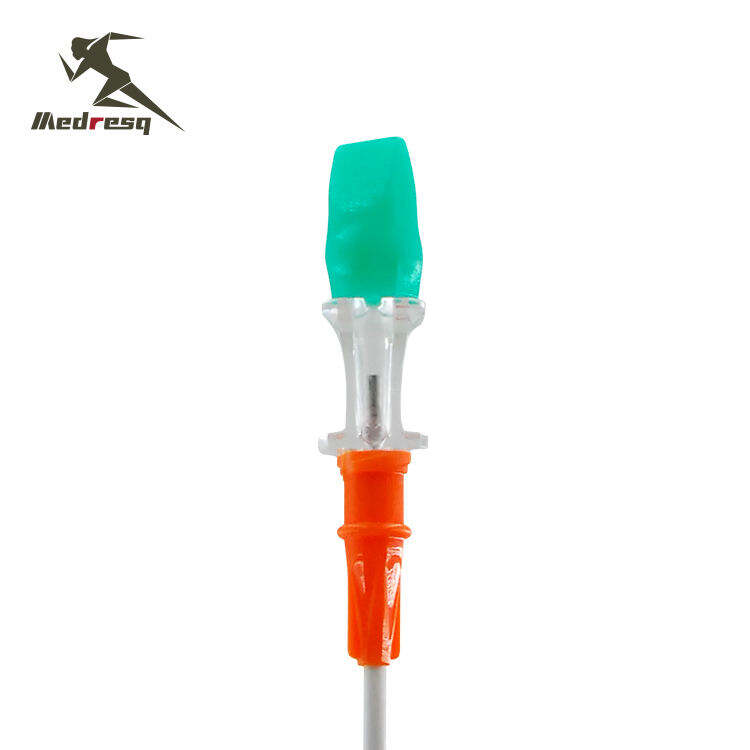
During high-pressure trauma scenarios, where time is of the essence and no margin for error exists, having the right information and tools can determine whether a patient lives or dies. A tension pneumothorax decompression is one of the more time-critical interventions a first responder may execute. This opens up the pressure that was building around the lungs and heart, allowing important processes to resume. If you're a healthcare provider or part of an emergency response team, keeping your trauma kit outfitted with a dependable needle decompression device isn't just advice; it's essential. As Anping Guardian Medical Equipment Co., Ltd, we understand the severity of these times and have been working tirelessly to support our first responders with purpose-built medical solutions.
When Seconds Count Identifying Tension Pneumothorax in the Field
Identifying tension pneumothorax promptly is the first and most important step. When air collects between the layers of the lining of your lung, but cannot escape the space, pressure builds causing you to lose your breath and deflating your lung while also pushing down on your heart and large blood vessels. This constriction seriously impairs the flow of blood and oxygen. In the field, there are no imaging studies available to responders that can help them immediately. Important signs are severe breathlessness, low O2 saturation, rapid and feeble pulse, engorged jugular veins. Tracheal deviation away from the side involved is a traditional sign, but it may be too late in presentation. The medical history is just as revealing; the patient may have had something like a penetrating wound to the chest, blunt force trauma, or even complications from certain medical procedures. Recognizing these signs enables a responder to take quick action, realizing that needle decompression is the necessary first life-saving intervention until definitive care can be accessed.
Must-Have Components Selecting the Right Needle Decompression Device for Your Kit
Choosing the right tool for needle decompression is no small decision. All needles are not created equal, and in the emergency field set standards for speed, reliability and safety of a tool. The perfect device has a catheter long and large enough to traverse the pleura in most patients, even those who are larger. It needs to have a sharp needle and durable catheter that stay open after placement. Safety mechanisms to prevent the user inadvertently pricking themselves are also of primary concern in such high-stress applications. At Anping Guardian Medical Equipment Co., Ltd. we are designing these life-saving products based on real-world application requirements. Our decompression needles are constructed to meet the most demanding requirements of emergency medicine, and offer a trustworthy solution that you can rely on when life is on the line.
Beyond the Needle Complementary Supplies Needed for a Complete Decompression Setup
And though the decompression needle is the headliner in the intervention, the supporting cast of supplies are just as important to a successful outcome. A single needle is still insufficient on its own. Your trauma kit should have supplies to maintain the entire process. Essentials needed include antiseptic wipes for quick skin preparation at the insertion site along with robust medical adhesive tape or a dedicated securement device to support and protect the catheter from being pulled out if the patient is moved. Plus, it’s important to think ahead. When pressure is released, a simple device with an one-way valve function (e.g. commercial chest seal with vent or improvised flutter valve) is frequently placed at the catheter’s insertion site. This creates a way for trapped air to escape, and no opportunity for new air to enter the chest. Rounding out your kit to include these companion items instantaneously converts one tool in to a complete and potent decompression machine, so that you are equipped to deal with this vital emergency.
Prepared, for me this translated not only into knowledge but the full right equipment for the job. By choosing your gear wisely and building a full-fledged kit, you give yourself the ability to act decisively.