EN
EN
 FR
FR
 DE
DE IT
IT JA
JA
 KO
KO
 RU
RU
 ES
ES
 AR
AR
 BG
BG HR
HR
 DA
DA
 NL
NL
 FI
FI EL
EL
 NO
NO PL
PL PT
PT RO
RO
 SV
SV
 TL
TL
 ID
ID
 SR
SR
 UK
UK VI
VI
 SQ
SQ
 TH
TH
 TR
TR
 AF
AF
 MS
MS
 CY
CY
 IS
IS
 HY
HY
 AZ
AZ
 KA
KA
 MN
MN
 MY
MY
 KK
KK
 UZ
UZ
 CS
CS

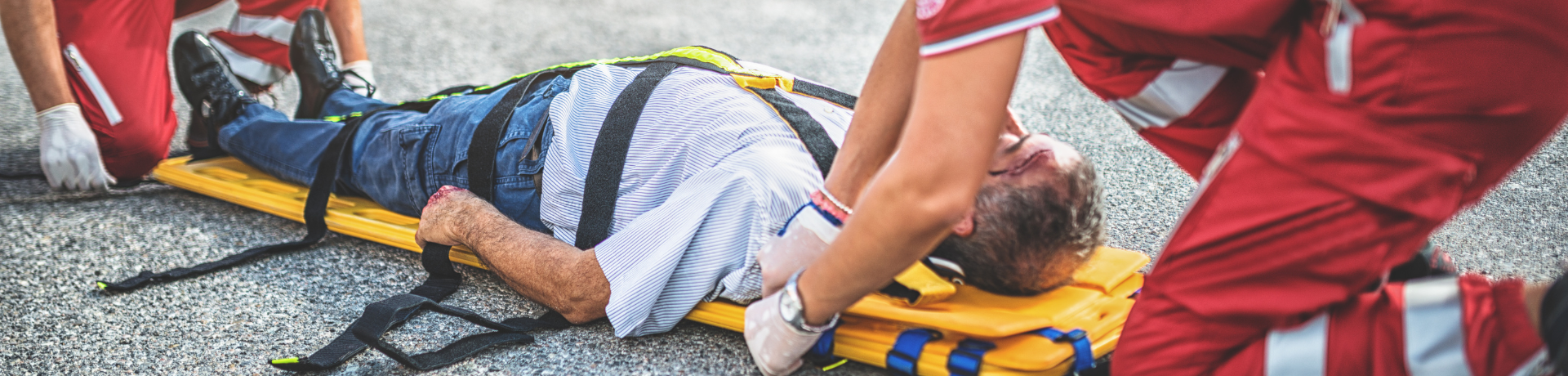
အိမ်ခြင်းမှ ထရောမာကုသမှုအတွက် ယုံကုံစောင်းသော လေထုထွက်ပေါက်ပါသော ရင်ဘတ်ပိုးချိတ်စက်ကို ရွေးချယ်နည်း
သင်သည် ရင်ဘတ်သို့ ထိမ်းချုပ်မရန် ထိမ်းသိမ်းရန် လိုအပ်သည့် ဒဏ်ရာ (ဥပမါ- ကူးစက်မှုဖြစ်စေသည့် ကူးစက်မှု၊ ဓားဖြင့် ထိမ်းချုပ်မရန် ထိမ်းသိမ်းရန် လိုအပ်သည့် ဒဏ်ရာ သို့မဟုတ် စက်မှုလုပ်ငန်းဆိုင်ရာ အဖြစ်မောင်းနှင်မှု) ကို ကုသရာတွင် ပထမ မိနစ်အနည်းငယ်အတွင်း ပေးသည့် ကုသမှုသည် အသက်ရှင်ခြင်းနှင့် သေဆုံးခြင်းကြား ကွာခြားမှုကို ဖန်တီးပေးနိုင်ပါသည်။ အရေးပေါ် ကုသမှုအိတ် သို့မဟုတ် အရေးပေါ်ကုသမှု ကားအတွင်း အသုံးပြုသည့် အိတ်ထဲတွင် အရေးကြီးဆုံး ကိရိယာများထဲမှ တစ်ခုမှာ ယုံကြည်စိတ်ချရသည့် လေထွက်ပေါက်ပါသည်။ သို့သော် ရင်ဘတ်ကို ပိတ်ပေးသည့် အိတ်များအားလုံးသည် တူညီသည့် အမျိုးအစားဖြင့် အလုပ်လုပ်မှုမရှိပါ။ အရေးပေါ် ကုသမှုအဖွဲ့အတွက် ရှေးနောက် စမ်းသပ်မှုများ ပြုလုပ်ပြီးနောက် Medresq MCS-02 ကို ရွေးချယ်ခဲ့ပါသည်။ အောက်တွင် အကြောင်းရင်းများကို ဖော်ပြပေးပါသည်။
ဖွင့်လှစ်ထားသည့် ရင်ဘတ်ဒဏ်ရာများ၏ အမှန်တကယ် စိန်ခေါ်မှုများကို နားလည်ခြင်း
ရင်ဘတ်ကွင်းပိတ်ထားတဲ့ ဒဏ်ရာက လေကို ရင်ဘတ်နံရံကနေ တိုက်ရိုက် လေထုထဲကို ဝင်ခွင့်ပေးပါတယ်။ ဒါက တင်းမာတဲ့ အဆုတ်အူကို အမြန်ဖြစ်စေနိုင်ပြီး လေက အလယ်ပိုင်းအူကို ဆန့်ကျင်ဘက်ဘက်ကို တွန်းပေးပြီး အဆုတ်ကို ပြိုကျစေပြီး နှလုံးထုတ်လုပ်မှုကို လျော့စေပါတယ်။ ဒါက မြန်မြန်ဆန်ဆန် ဖြစ်ပေါ်နေတဲ့ အသက်အန္တရာယ်ရှိတဲ့ အခြေအနေပါ။ ရိုးရိုး အဝတ်အစားက မလုံလောက်ဘူး။ လေကို လွတ်မြောက်စေဖို့ လေအပြင်ဘက် လေကို ဝင်လာအောင် တားဆီးဖို့ လေထွက်တဲ့ ရင်ဘတ်ပိတ်တံတစ်ခု လိုအပ်တယ်။ ဒါက အခြေခံ လုပ်ဆောင်ချက်ပါ။ မေးခွန်းက ဒီပစ္စည်းက ဒီလုပ်ဆောင်မှုကို တကယ့်ကမ္ဘာရဲ့ မရှင်းလင်းတဲ့ အခြေအနေတွေမှာ ဘယ်လောက်ထိ ကောင်းကောင်း လုပ်ဆောင်လဲ။
Medresq MCS-02 ဟာ ဒီအပြဿနာကို ဖြေရှင်းဖို့ တည်ဆောက်ထားတာပါ။ ဒါဟာ အတန်း (၂) ဆေးဘက်ဆိုင်ရာ ကိရိယာပါ၊ ဆိုလိုတာက အခြေခံ ပထမအကူအညီ ထောက်ပံ့ပစ္စည်းတွေထက် ပိုတင်းကျပ်တဲ့ စည်းမျဉ်းစည်းကမ်း ထိန်းချုပ်မှု ခံထားရတာပါ။ ဝယ်ယူမှု မန်နေဂျာ (သို့) အသင်းခေါင်းဆောင်တိုင်းအတွက် ဒီအဆင့်သတ်မှတ်မှုကို မြင်ခြင်းဟာ ဒါက စျေးပေါတဲ့ အထွေထွေပစ္စည်းတစ်ခု မဟုတ်တာရဲ့ ပထမဆုံး လက္ခဏာပါ။
Medresq MCS-02 ကို ဘယ်လို ခြားနားစေလဲ။
ထုတ်ကုန်ကို လုပ်ကွက်တွင် အသုံးပြုရာတွင် အသေးစိတ်အချက်များသည် အရေးကြီးသောကြောင့် အောက်ပါအတိုင်း အသေးစိတ်အချက်များကို တစ်ခုစီစီ ဖော်ပြပေးပါမည်။
ပထမဦးစွာ ပစ္စည်းအမျိုးအစားဖြစ်ပါသည်။ MCS-02 တွင် hydrocolloid ကပ်စားမှုပစ္စည်းကို အသုံးပြုထားပါသည်။ အရည်အသွေးနိမ့်သော ရင်ဘတ်ပိတ်ပစ္စည်းကို အသုံးပြုဖူးသည့် အခါတွင် သွေးထွက်နေခြင်း သို့မဟုတ် ချ sweat ထွက်နေခြင်းကြောင့် လူနာ၏ အသားပေါ်မှ ကပ်စားမှုပစ္စည်း အလွ easily လွင့်ထွက်သွားခြင်းကို မြင်တွေ့ဖူးပါသည်။ Hydrocolloid သည် အခြားအများအားဖြင့် အသုံးများသော acrylic ကပ်စားမှုပစ္စည်းများထက် စိုစွတ်နေသော သို့မဟုတ် သွေးထွက်နေသော အသားပေါ်တွင် ပိုမိုကောင်းမောင်းစွာ ကပ်စားနိုင်ပါသည်။ ထို့အပြင် လူနာ ရှုပ်ထွေးမှုများ သို့မဟုတ် သယ်ဆောင်မှုအတွင်း လူနာ ရှုပ်ထွေးမှုများ ဖြစ်ပါသည်။ ကျွန်ုပ်တို့သည် စမ်းသပ်မှုများအတွက် သွေးအစားထိုး အသုံးပြုထားသော စမ်းသပ်မှု မေနီကင်များပေါ်တွင် စမ်းသပ်မှုများ ပြုလုပ်ခဲ့ပါသည်။ လူနာကို ဘေးဘက်သို့ လှည့်ပေးသည့်အခါတွင်ပါ ကပ်စားမှုပစ္စည်းသည် မျှတ်နေပါသည်။
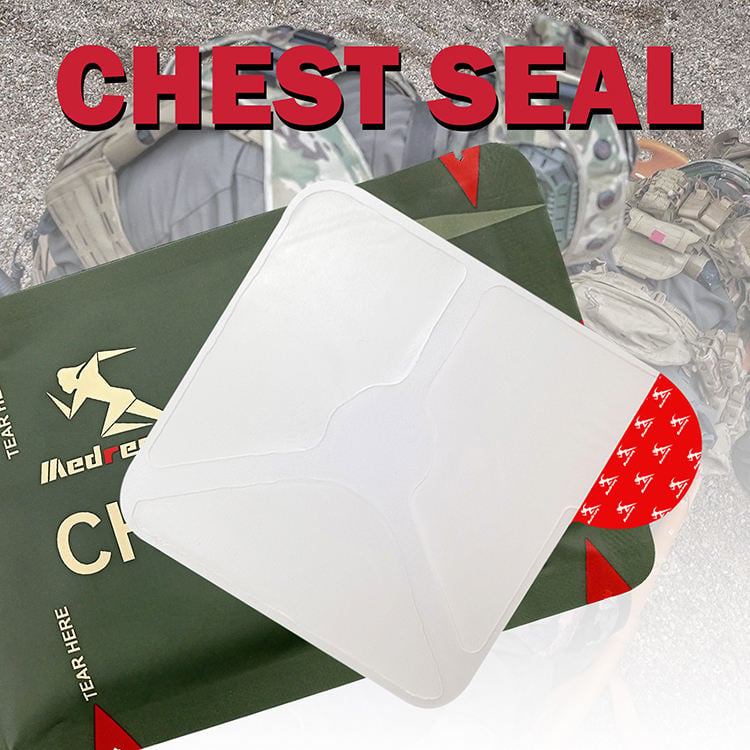
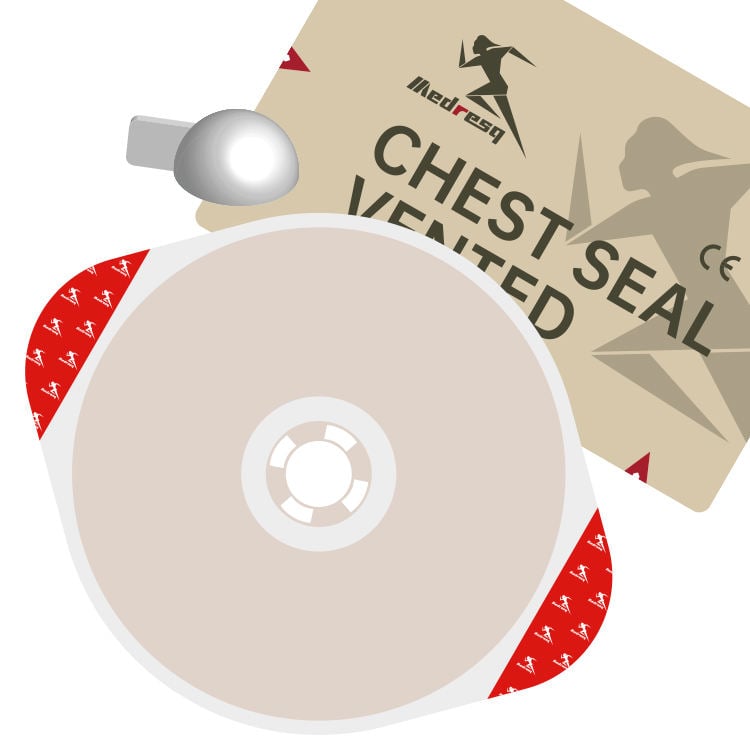
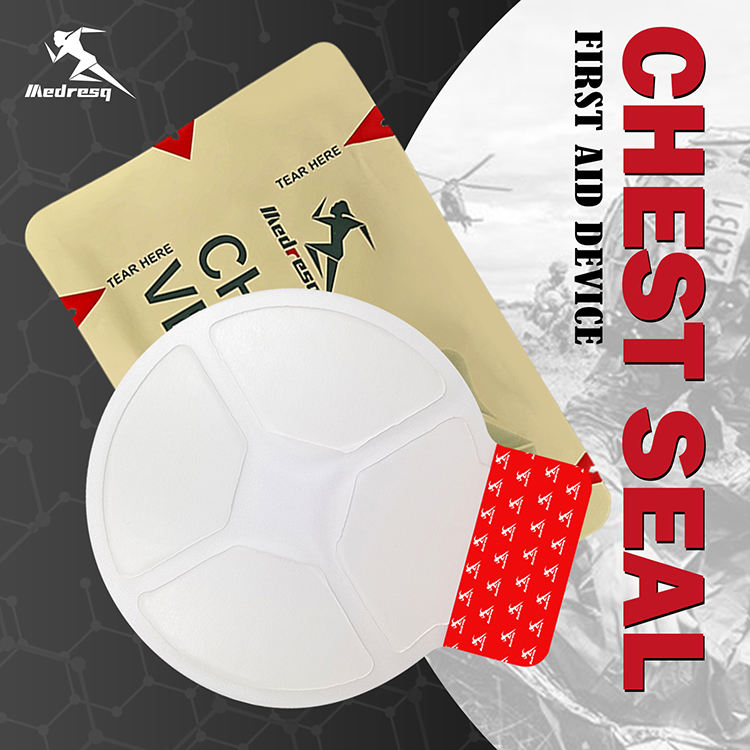
ဒုတိယအနက် အရွယ်အစားဖြစ်ပါသည်။ စံသတ်မှတ်ထားသော အလျားဝက်မှာ စင်တီမီတာ ၁၆ ဖြစ်ပါသည်။ ဤအရွယ်အစားသည် ရင်ဘတ် သို့မဟုတ် အထက်ပိုင်း ဗိုက်နေရာတွင် ဖြစ်ပေါ်လာသော အများစုသော ထိခိုက်မှုများကို ဖုံးလွှမ်းရန် လုံလောက်စွာ ကြီးမားပါသည်။ သို့သော် အလွန်ထုထည်ကြီးမှုများကို ရှောင်ရှားရန် လိုအပ်ပါသည်။ အလွန်သေးငယ်သော ရင်ဘတ်ပိတ်ပေါက် (chest seal) ကို ရွေးချယ်မှုမှာ မှားယွင်းပါသည်။ အကြောင်းမှာ ထိခိုက်မှုနေရာသည် ကပ်စွဲနေသော အစွန်းနေရာကို ကျော်လွန်သွားနိုင်သောကြောင့် ဖြစ်ပါသည်။ ထို့အတူ အလွန်ကြီးမားသော ပိတ်ပေါက်ကို ရွေးချယ်မှုမှာလည်း မှားယွင်းပါသည်။ အကြောင်းမှာ တော်လေးစွဲ အင်္ကျီ (tactical vest) အောက်တွင် သို့မဟုတ် အကျဉ်းသော နေရာတွင် အသုံးပြုရန် ခက်ခဲသွားနိုင်သောကြောင့် ဖြစ်ပါသည်။ စင်တီမီတာ ၁၆ အရွယ်အစားဖြင့် MCS-02 သည် ကောင်းမွန်သော အချိုးကွေ့ကို ရရှိပါသည်။ ထို့အပြင် သင့်၏ ဝန်ဆောင်မှုတွင် သီးသန့်လိုအပ်ချက်များ ရှိပါက Medresq မှ သီးသန့်အရွယ်အစားများကို ပေးအပ်နိုင်ပါသည်။
တတိယအနက် လေထုထုတ်စနစ်ဖြစ်သည်။ ဤနေရာတွင် စျေးသက်သာသော ရင်ဘတ်ပိုးချုပ်မှုပစ္စည်းများသည် များစွာသော အားနည်းချက်များကို ဖော်ပြလေ့ရှိသည်။ အချို့သည် သွေးကြေးများဖွဲ့စည်းမှုကြောင့် ပိတ်သွားနိုင်သည့် ရိုးရှင်းသော ဖလပ်စနစ်ကို အသုံးပြုသည်။ အချို့သည် ဖိအားအောက်တွင် ပိတ်ဆို့သွားနိုင်သည့် လမ်းကြောင်းစနစ်ကို အသုံးပြုသည်။ MCS-02 သည် လေနှင့် အရည်များကို ထုတ်ပေးနိုင်ပြီး ဝင်ရောက်လာသည့် ဖိအားကို ချက်ချင်းပိတ်ပေးနိုင်သည့် ကောင်းမွန်စွာ ဒီဇိုင်းထုတ်ထားသော တစ်ဖက်သာ ဖွငေးသော ဖိအားထိန်းချုပ်မှုစနစ်ကို အသုံးပြုသည်။ ကျွန်ုပ်တို့၏ အတွင်းပိုင်း လေစီးကြောင်းစမ်းသပ်မှုများတွင် အလေးချိန်များဖြင့် ဖိစီးပေးပြီး (လူနာသည် နောက်ဘုတ်ပေါ်တွင် လှဲနေသည့် အခြေအနေကို အတုယူခြင်း) နောက်ပိုင်းတွင်ပါ စွမ်းဆောင်ရည်ကို တည်ငြိမ်စွာ ထောက်ပံ့ပေးနိုင်ခဲ့သည်။
အမှန်တကယ်ဖြစ်နိုင်သည့် အသုံးပြုမှုအခြေအနေများ
MCS-02 သည် ဆေးရုံအတွင်းသုံး ပစ္စည်းသာမက ဆေးရုံအပြင် ကုသမှုအတွက် ဒီဇိုင်းထုတ်ထားသည်။ စစ်တပ် သို့မဟုတ် တရားဥပဒေစိုးမိမ်ရေးအဖွဲ့များတွင် အသုံးပြုသည့် တက်တစ်ကယ် ဆေးကုသရှင်များကို စဉ်းစားကြည့်ပါ။ အရိုးကျိုးမှုကြောင့် အသက်ရှူလမ်းကြောင်းကို ထိခိုက်မှုဖြစ်စေသည့် စကီးလေးမှု အဖွဲ့များကို စဉ်းစားကြည့်ပါ။ အနီးဆုံး အန္တရာယ်ဖြစ်စေသည့် အဖြစ်အပ်မှုကုသမှုစင်တာသို့ ၄၅ မိနစ်အကွာရှိသည့် ကျေးလက်ဒေသများရှိ EMS အဖွဲ့များကို စဉ်းစားကြည့်ပါ။ ဤအခြေအနေအားလုံးတွင် ပထမဆုံးအကြိမ်တွင် အလုပ်လုပ်နိုင်ပြီး ရှုပ်ထွေးသည့် အဆင့်များမပါသည့် ပစ္စည်းများကို လိုအပ်ပါသည်။
MCS-02 ကို လိမ်းပေးခြင်းဟာ လွယ်ကူပါတယ်။ ပတ်ဝန်းကျင်က အသားအရေကို တတ်နိုင်သလောက် သန့်ရှင်းအောင်လုပ်၊ အသားအေရကို ခွာ၊ ဒဏ်ရာကို ပိတ်ပြီး အလယ်ကနေ အပြင်ကို ချောမွေ့အောင်လုပ်ပါ။ Hydrocolloid ပစ္စည်းကြောင့် သိပ်ကို ဖိအားမပေးပါ။ ကော်က သူ့အလုပ်ကို လုပ်တယ်။ နောက်ပြီး လေထွက်ပေါက်ကို စောင့်ကြည့်ပြီး အလုပ်ဖြစ်နေလားဆိုတာ သေချာအောင်လုပ်တယ်။ ဆေးပိတ်ထားသော်လည်း လူနာသည် အသက်ရှူမှုဆိုင်ရာ အခက်အခဲများလာပါက ဒုတိယဆေးပိတ်ထားရန် သို့မဟုတ် ရင်ဘတ်ကို လျှော့ချရန် လိုအပ်နိုင်သည်။ ဒါပေမဲ့ MCS-02 က ဒီဆုံးဖြတ်ချက်တွေကို ချမှတ်ဖို့ အချိန်ပေးတယ်။
လိုဂီစ္တစ်နှင့် ကုန်ပစ္စည်းဆိုင်ရာ ခံစားချက်များ
ဆေးရုံ ထောက်ပံ့ရေး မန်နေဂျာ (သို့) EMS ဒါရိုက်တာအတွက် ထုတ်ကုန် စွမ်းဆောင်မှုက ဇာတ်လမ်းရဲ့ တစ်ဝက်ပဲရှိတာပါ။ ယုံကြည်မှုရှိတဲ့ ထောက်ပံ့ရေး ကွင်းဆက်တွေနဲ့ သင့်တင့်တဲ့ မှာယူမှု ပမာဏတွေလည်း လိုအပ်ပါတယ်။ Medresq က ဒါကို နားလည်တယ်။ MCS-02 မှာ အနည်းဆုံး အမှာစာပမာဏ (MOQ) က တစ်ရာရှိတယ်။ ဒါက အသေးစားဌာနတစ်ခုအတွက် ပလက်ဖောင်းတစ်ခုလုံးကို မပေးဘဲ စမ်းသပ်မှု မှာယူဖို့ လုံလောက်လောက်နိမ့်ပေမဲ့ ကုမ္ပဏီက လက်ကားနဲ့ B2B ဆက်ဆံရေးတွေကို အလေးထားတယ်လို့ ပြသဖို့တော့ လုံလောက်လောက်မြင့်တယ်။
နမူနာများကို ရရှိနေပါသည်။ ကျွန်ုပ်တို့သည် အများအားဖြင့် ပထမဆုံး နမူနာများ အော်ဒါပေးရန် အကြံပေးပါသည်။ သင်၏ စတော့အားလုံးကို အသစ်သော ရင်ဘတ်ပိတ်ခြင်းပစ္စည်းသို့ ပြောင်းလဲမှုမှီအထိ ၅ ခု သို့မဟုတ် ၁၀ ခု အထိ အော်ဒါပေးပါ၊ ၎င်းတို့ကို သင်၏ ကိုယ်ပိုင် လေ့ကျင့်ရေး အခြေအနေများတွင် စမ်းသပ်ပါ၊ ထို့နောက် သင်၏ အဖွဲ့သည် ၎င်းတို့ကို မည်သို့ နှစ်သက်သည်ကို စုံစမ်းပါ။ Medresq သည် ဤလုပ်ငန်းစဉ်ကို ရှင်းလင်းပြီး လွယ်ကူသော နမူနာများ မူဝါဒဖြင့် အထောက်အပံ့ပေးပါသည်။
ထုပ်ပိုးမှုသည် အခြားသော လက်တွေ့ကျသော အသေးစိတ်အချက်တစ်ခုဖြစ်သည်။ MCS-02 သည် အိတ်တစ်လုံးတွင် အသေးစိတ်သန့်စင်ထားသော ထုပ်ပိုးမှုဖြင့် ရရှိပါသည်။ အသုံးပြုမှုမှီအထိ သန့်စင်မှုကို ထိန်းသိမ်းရန် အလုံအကြပ် ပိတ်ထားပါသည်။ လက်အိတ်များ ဝတ်ထားသည့်အခါတွင်ပါ ဖွင့်ရန် လွယ်ကူသည့် ထုပ်ပိုးမှုဖြစ်ပါသည်။ ဤအချက်သည် ကျွန်ုပ်တို့ စမ်းသပ်ခဲ့ဖူးသည့် အခြားအများစုသော အများအားဖြင့် မဖြစ်နေပါသည်။ ထုပ်ပိုးမှုကို ပြောင်းလဲလိုသည့် သူများအတွက် Medresq သည် ကိုယ်ပိုင် အမည်ပေးခြင်း (private labeling) နှင့် ထုပ်ပိုးမှုအများအပ် ပြောင်းလဲမှုများကို ပေးအပ်ပါသည်။
အထောက်အထားများနှင့် လိုက်နာမှု
သင်သည် ဆေးဘက်ဆိုင်ရာပစ္စည်းများကို ဝယ်ယူသည့်အခါ လက်မှတ်ထိုးခြင်းကို လျစ်လျူရှု၍မရပါ။ MCS-02 သည် CE နှင့် ISO လက်မှတ်နှစ်မျိုးလုံးကို ရရှိထားပါသည်။ ဥရောပနိုင်ငံများတွင် ဝယ်ယူသူများအတွက် CE လက်မှတ်သည် အရေးကြီးပါသည်။ နိုင်ငံတကာဝယ်ယူသူများအတွက် ISO လက်မှတ်သည် ထုတ်လုပ်မှုလုပ်ငန်းစဉ်များပေါ်တွင် ယုံကြည်မှုကို ပေးစေပါသည်။ Medresq သည် တရုတ်နိုင်ငံ၊ ဟီဘီပြည်နယ်တွင် တည်ရှိပြီး ဒေသတွင်းအဆင့်များသာမက နိုင်ငံတကာအဆင့်များကိုပါ ဖော်ထုတ်နေသည့် အရည်အသွေးစံနှုန်းများကို အခြေခံ၍ သူတို့၏ အမည်ကို တည်ဆောက်ထားပါသည်။
အဆုံးသတ် အမှတ်တမ်း
Medresq MCS-02 လေထုထုတ်သော ရင်ဘတ်ပိုးချောင်းသည် မှုန်းမှုန်းမှုန်း သို့မဟုတ် အလွန်အမင်း အင်ဂျင်နီယာပုံစံဖော်ထားခြင်းမရှိပါ။ ၎င်းသည် အရေးကြီးသော ဆေးဘက်ဆိုင်ရာပြဿနာများကို ဖြေရှင်းပေးနိုင်သည့် ခိုင်မာပြီး ယုံကြည်စိတ်ချရသော ကိရိယာဖြစ်ပါသည်။ ၎င်းသည် အတည်တွင်း အသုံးပြုထားသော ပစ္စည်းများ (ဟိုင်ဒရိုကောလွိုက်)၊ ပေါ်လ်ပ်သော အရွယ်အစား (၁၆ စင်တီမီတာ၊ အထူးအရွယ်အစားများဖြင့် ရရှိနိုင်) နှင့် ယုံကြည်စိတ်ချရသော လေထုထုတ်သော စနစ်ကို အသုံးပြုထားပါသည်။ ၎င်းသည် တရ်းမ်မ်မှန်ကန်သော လက်မှတ်များဖြင့် အာမခံထားပြီး EMS၊ စစ်တပ်နှင့် ဆေးရုံဝယ်ယူသူများ၏ လိုအပ်ချက်များကို နားလည်သော ကုမ္ပဏီတစ်ခုဖြင့် အာမခံထားပါသည်။
သင်သည် လေ့ကျင့်ရေး သို့မဟုတ် အကွက်တွင် အကြိမ်ရောက်လေ့ကျင့်မှုများတွင် အကြိမ်ရောက်စွာ ပျက်စေသည့် ရင်ဘတ်ပိတ်ခါးပိုက်ကို အသုံးပြုနေပါက သို့မဟုတ် စံနှုန်းအတိုင်းဖြစ်စေ အထူးပြုထားသည့် ထုတ်ကုန်များကို ပေးသည့် အသစ်သော ပေးသွင်းသူကို ရှာဖွေနေပါက MCS-02 သည် သင့်အာရုံစိုက်မှုကို ထိုက်တန်ပါသည်။ နမူနာတစ်ခု ရယူပါ၊ စမ်းသပ်ပါ၊ ကိုယ်တိုင် ကွာခြားမှုကို စမ်းသပ်ကြည့်ပါ။
အရေးကြီးသော သတင်းများ
-
ဘက်စ် ဗေလ်ဗူ မက်စ် (BVM): လက်နှင့် ရှုသုံးခြင်းနှင့် အရေးပေါ် လေဝင်လေထွက် စနစ် အတွက် ပညာရှင်များအတွက် အပြည့်အစုံ လမ်းညွှန်ချက်
2026-09-24
-
ဆဲလ် တစ်ခုကို ဆေးဘက်ဆိုင်ရာအဆင့်မှ ထုတ်လုပ်ပေးခြင်း - ဖွင့်လှစ်နေသော ပေါင်းဖော်ပုံမှု (pneumothorax) ကို ပိတ်ပေးရန်နှင့် ဖိအားမြင့်ပေါင်းဖော်ပုံမှု (tension pneumothorax) ဖြစ်ပေါ်ခြင်းကို ကာကွယ်ရန်အတွက် အထူးဒီဇိုင်းထုတ်ထားသော လေထွက်ပေါက်ပါသော ရင်ဘတ်ဆဲလ်
2026-09-24
-
သင့်ရှေးရှုစောင်းအဖွဲ့အတွက် ကာဗွန်ဖိုင်ဘာ စူပ်စတရက်ချာ လိုအပ်ရခြင်း အကြောင်းရင်း
2026-06-05
-
အိမ်ခြင်းမှ ထရောမာကုသမှုအတွက် ယုံကုံစောင်းသော လေထုထွက်ပေါက်ပါသော ရင်ဘတ်ပိုးချိတ်စက်ကို ရွေးချယ်နည်း
2026-06-04
-
အရေးပေါ်ကုသမှုအတွက် လိုအပ်သော လည်ပင်းရှိ ကျောရိုးကို မလှုပ်ရှားစေရန် အထူးသဖြင့် အသုံးပြုသည့် ကာကွယ်ရေးအိုး
2026-03-05
-
ဆေးဘက်ဆိုင်ရာ ပ mouth ဖြင့် လေဝင်လေထွက်လမ်းကြောင်း ဖွငေ့ပေးသည့် ကိရိယာ - အရေးပေါ်ကုသမှုအတွက် လိုအပ်သော လေဝင်လေထွက်လမ်းကြောင်း စီမံခန့်ခွဲမှု ကိရိယာ
2026-03-04
-
စစ်မှုထမ်းများ၏ လေးမှုအားလုံးကို ကျော်လွန်ပြီး - ခေတ်မီ တက်တစ်ကယ်လ် ပထမအကူအညီ ပုံစဥ်များ၏ စွယ်စုံသော အသုံးပုံအများအပြား
2026-01-27
-
အောက်ပါ ဆေးရုံများတွင် အသစ်ချီထွက်လာသည့် ပြင်ဆင်မှုများ: အန္တရာယ်ဖြစ်ပွားမှုကို ဖြေရှင်းခြင်းနှင့် မြန်မား၏ ဝန်ကြီးများအား ပိုမိုကောင်းမွန်စေရန်
2025-06-13
-
ဆေးရုံတွင် stretcher များ၏ အရေးကြီးသော အခန်းကဏ္ဍများ
2025-03-07
-
ချောက်ချိုးစစ်ပြင်ဆင်ခြင်းတွင် IFAK (Individual First Aid Kit) ဖွံ့ဖြိုးတိုးတက်မှုနှင့် ရှိမှတ်ချက်များ
2025-02-20