EN
EN
 FR
FR
 DE
DE
 IT
IT
 JA
JA
 KO
KO
 RU
RU
 ES
ES
 AR
AR
 BG
BG
 HR
HR
 DA
DA
 NL
NL
 FI
FI
 EL
EL
 NO
NO
 PL
PL
 PT
PT
 RO
RO
 SV
SV
 TL
TL
 ID
ID
 SR
SR
 UK
UK
 VI
VI
 SQ
SQ
 TH
TH
 TR
TR
 AF
AF
 MS
MS
 CY
CY
 IS
IS
 HY
HY
 AZ
AZ
 KA
KA
 MN
MN
 MY
MY
 KK
KK
 UZ
UZ
 CS
CS


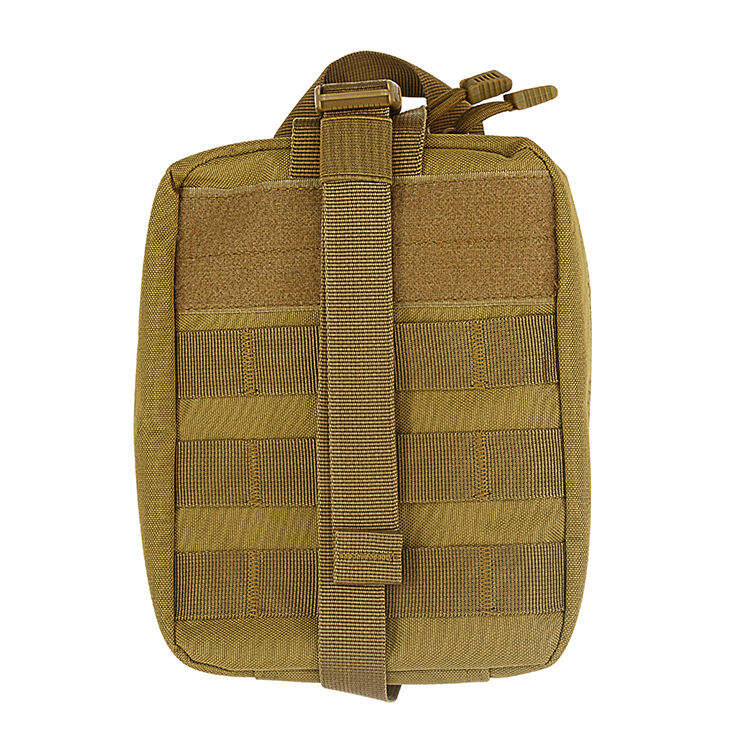
In emergency response, which is a high stakes game, universal solutions to medical equipment may cost seconds, or even lives. Reality on the ground determines that those tools carried by them have to be carefully adjusted to the mission profile and probable dangers. We know this important difference at Anping Guardian Medical Equipment Co., Ltd. The design philosophy of our company is to develop purpose designed solutions to trauma that empower the professional regardless of whether he or she is first on the scene or is involved in a long time and dynamic interaction. This blog addresses the basic disparities in customization of a kit depending on two major roles such as Patrol Officer and Tactical Operator.
Patrol Kits: Basic Airway Support and Bleeding Control
To the patrol officer, the medical emergency is quite unforeseeable and occurs in the open areas. They normally become the first responders in violent cases, accidents, or crises. Their equipment should be immediately available, easy to operate during a state of ultimate stress and must be aimed at curing the two most urgent causes of avoidable death severe hemorrhage and blocked breathing passages.
Thus, a patrol-centered trauma kit offered by Anping Guardian puts an emphasis on controlling bulk hemorrhage. This will entail instant availability of effective tourniquets which can be self-administered or administered to a victim with a single hand simplicity. It is lavishly applied with hemostatic gauze and pressure dressing that are meant to pack in junctional wounds where a tourniquet cannot be applied. Concerning the management of the airways, it is all about simple yet critical interventions such as suction apparatus and positioning aids to clear the obstacles, and the pathway to breathing is open until the arrival of EMS. Our patrol kits have been optimized to be fast and easy and placed in small yet durable pouches that fit into the daily work duty belts or car mounts to keep the life saving devices within easy reach.
Tactical Configurations: Decompression Needles and Advanced Wound Packing
The tactical operator gets into an environment that is either familiar or anticipated and there is a big likelihood of a delay whether medical attention or not, and the injury complex is probably more serious. The length of their missions and the increased chances of a ballistic or blast trauma require a more advanced and profound medical capability. The tactical medical kit should be able to help the operator or his or her assigned medic to be able to support him or her during the times of a prolonged stay in the hostile surroundings.
In addition to high bleeding control available in the patrol kits, a tactical setting includes critical thoracic injuries tools. One of the foundations is needle decompression kits, which enable a quick release of the tension in pneumothorax, which is life-threatening in chest trauma. Severe wounds involving wound packing to the deep cavity wound, necessitate longer packing agents, in addition to special dressing. At Anping Guardian we develop these systems as scalable and modular. The kits can contain upgraded airway adjuncts, larger volume resuscitation equipment and more detailed surgical equipment doing far damage control. Each part is chosen and placed in an intuitive place during low-light and high-stress situations, to avert the operator through the line of treatment between the point of harm and the eventual evacuation.
Weight-to-Capability Trade-offs According to the Foreseen Engagement Period
One of the fundamental guidelines in operational kit design is volition between capacity and weight. It is not viable to carry all the possible medical supplies which may impede movement and performance. This trade-off is directly controlled by the projected mission profile and engagement period.
The kit of a patrol officer is slim and mission-oriented and aimed at assisting the first aid in minutes before the more advanced support arrives. The weight is kept to the bare minimum not to interfere with the day to day tasks and only that which is necessary is carried to help bridge that imperative divide. The calculus takes a different form when the tactical team is engaged in a long-term incident or an offensive operation in an environment that is denied. The anticipated length of the period of care and the long period of evacuation of the casualty justifies the additional weight. This incorporates increased supply of various casualties, pain control, fluid replacement and repeated monitoring/ reassessment equipments.
We are designing kits that intelligently navigate through this balance at Anping Guardian Medical Equipment Co., Ltd., to work with professionals. The construction of our systems is made on a modular platform, which means that the teams could expand or reduce their medical load depending on a particular intelligence, level of threat, and schedule of operation. We also supply the consistent, hardy under-carriage, the organization, the pouches, and the essential parts which will allow you to create the specific medical capability your job needs, without the needless compromise.
With these different roles and their needs, you are able to make good decisions concerning your life saving equipment. Select the setting that fits your reality, as during crisis, you need a tool that is already in your hand.